

Last year, China's imports of refined copper, nickel, zinc and lead were lower than in 2018. China is also a net exporter of refined tin and virgin aluminum.
In part, this reflects the intermittent manufacturing activity for much of 2019, a small cycle of slow growth that is at a turning point before the coronavirus-infected pneumonia outbreak threatens the Chinese economy.
China has reduced its pull on the refined metals industry in the rest of the world due to its continued efforts to build smelting capacity. These measures are steadily shifting the demand for Chinese metal imports towards the raw materials needed to meet this capacity.

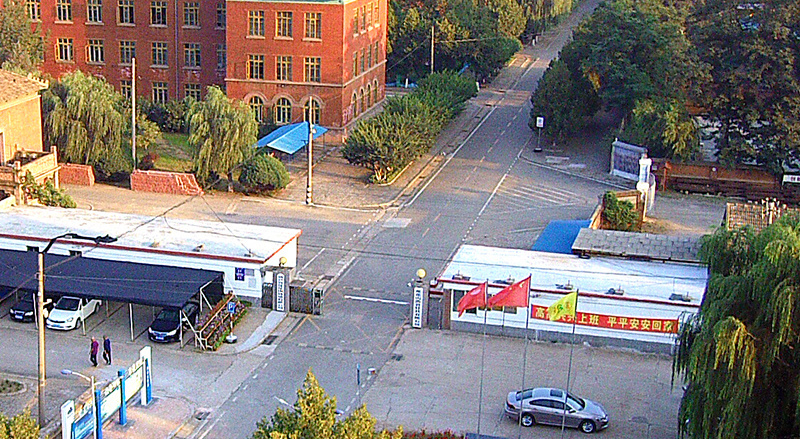
Huagang Mining Modern Cathode Copper Production Line Photo by Han Zhongyi
With the exception of tin, imports of other base metal concentrates increased significantly last year, as major supplier Myanmar reduced shipments due to mineral depletion.
Copper and aluminum scrap imports also bucked the trend last year as higher purity thresholds curbed inbound flows. In another sign of the focus on nurturing raw material supply chains, some policies on waste are expected to be lifted this year.
excess metal
China has developed into the world's largest aluminum industry, so that excess capacity has to be exported in the form of semi-finished products. The export volume of this "semi-finished product" decreased slightly last year, but it was still 5.2 million tons. Until a 15% tariff in 2007 curbed the export of this "semi-finished" form of aluminum, China was a small net exporter of primary metal minerals.
The volume of 800 tonnes may only reflect the movement of metals in bonded warehouses, but it means that China became a net exporter of raw materials, alloys and semi-finished products last year for the first time in a decade.
Giant aluminum machines require large amounts of bauxite. China's bauxite imports increased by 22% in 2018, almost double the level in 2016, and in 2019 imports exceeded 0.1 billion tons for the first time.
At the same time, in order to fill the supply gap in the global market, China achieved an unusually short period of net exports in 2018, and the intermediate product alumina trade is moving towards normalization. Decreased exports last year brought China back to net imports, which reached 1.37 million tonnes.
China is also the world's largest tin producer, becoming a net exporter of refined metals in 2018 after removing a 10% export tax, which remained around 3100 tons last year.
Last year, tin was the only base metal industry to see a decline in imports of raw materials, simply because of a decline in mineral production across the border in Myanmar. Concentrate imports began to decline in 2017 and fell another 20% last year.
Zinc and lead imports slow
In 2018 and early 2019, China's smelters were squeezed by global mining concentrates, and imports of refined zinc and lead surged.
In the second half of last year, however, the pace of inbound freight traffic slowed sharply. Net imports of zinc for the year were 544400 tons, down 21%. Net imports of lead were 88400 tons, down 13%. As the uranium enrichment crisis passes, it may fall further.
Imports of lead concentrates rose 37 percent last year, while imports of zinc concentrates rose 7 percent after falling in the first half of the year. An increase in the supply of raw materials can promote high operating rates in smelters, thereby reducing the demand for imports.
Analyst Wood Mackenzie (Wood Mackenzie) said: "China is close to self-sufficiency in refined lead, only in recent years has occasionally had to import."
At the same time, China's zinc production accelerated to a record high in December last year due to the high-tech renovation of smelters and the smooth supply of concentrate.
Copper and nickel still in demand
At present, China is still a long way from the self-sufficiency of refined copper.
China has been a huge importer for many years. Net imports fell to 3.2 million tonnes in recent years, a decline of 7%, and remained at this level in 2019.
However, new copper smelter capacity has been increasing and copper concentrate imports have been rising in tandem. China imported 22 million tons of (bulk) mined concentrate last year, a new record and a 12% increase over 2018.
The situation is similar for nickel, but it is somewhat complicated by Indonesia's ban on nickel exports earlier this year.
The flow of nickel pig iron (NPI) into China is accelerating as Indonesian authorities use the ban to spur more domestic smelting capacity. In 2019, total ferronickel imports (including net imports from Indonesia) almost doubled year-on-year to 1.9 million tonnes.
Not surprisingly, this level of raw material inflow depressed demand for refined nickel, reducing net imports by 22% to 156000 tonnes.
Scrap, waste or resources?
The 38 per cent drop in scrap imports seems to run counter to broader trade trends. That's because Chinese authorities once classified all metal scrap as "scrap".
Increased purity thresholds and import quotas for copper and aluminum scrap. Imports of the latter almost stagnated at the end of 2019.
China can survive without scrap aluminum, but the steady decline in scrap copper imports has squeezed a key source of raw materials for many of the country's copper smelters.
China has traditionally been the world's largest buyer of scrap copper, producing about 1.6 million tons of refined metal at its secondary smelter in 2017.
Chinese authorities were supposed to completely halt imports by the end of this year, but have made concessions under great pressure to reclassify copper and aluminum scrap as "resources".
The new Guidelines have been published, which means that scrap imports will increase again. The magnitude of the increase will of course depend on how China's customs authorities enforce the new rules and how global waste trade patterns have changed over the past two years.
However, the reclassification of scrap from "scrap" to "resource" is significant, both for the copper market and for China's changing preferences for base metal imports. □
(Translated by Zhao Laping from MINING.COM, February 6, 2020, previously published by Reuters.)
Website Editor: Gong Li